
Durunguwa’s Kachia Women’s Engagement Opens Fresh Political Conversation on Southern Kaduna’s Future By Abraham Adeyemi, Privilege Magazine Editori
Durunguwa’s Kachia Women’s Engagement Opens Fresh Political Conversation on Southern Kaduna’s Future
By Abraham Adeyemi, Privilege Magazine Editorials
KADUNA — A recent grassroots engagement by former National Population Commission (NPC) Commissioner, Dr. Abdulmalik Mohammad Durunguwa, with women from Kachia Local Government Area has triggered renewed discussion about political organisation, inclusion and the future of Southern Kaduna ahead of the 2027 elections and the longer-term 2031 political cycle.
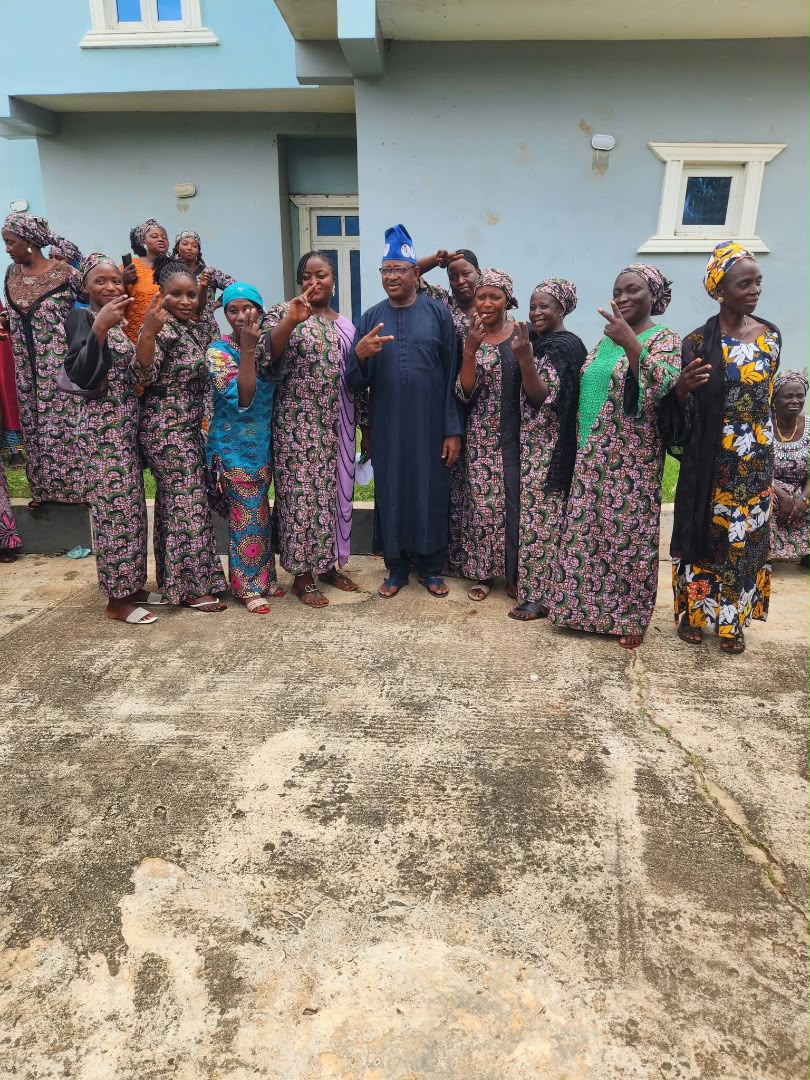
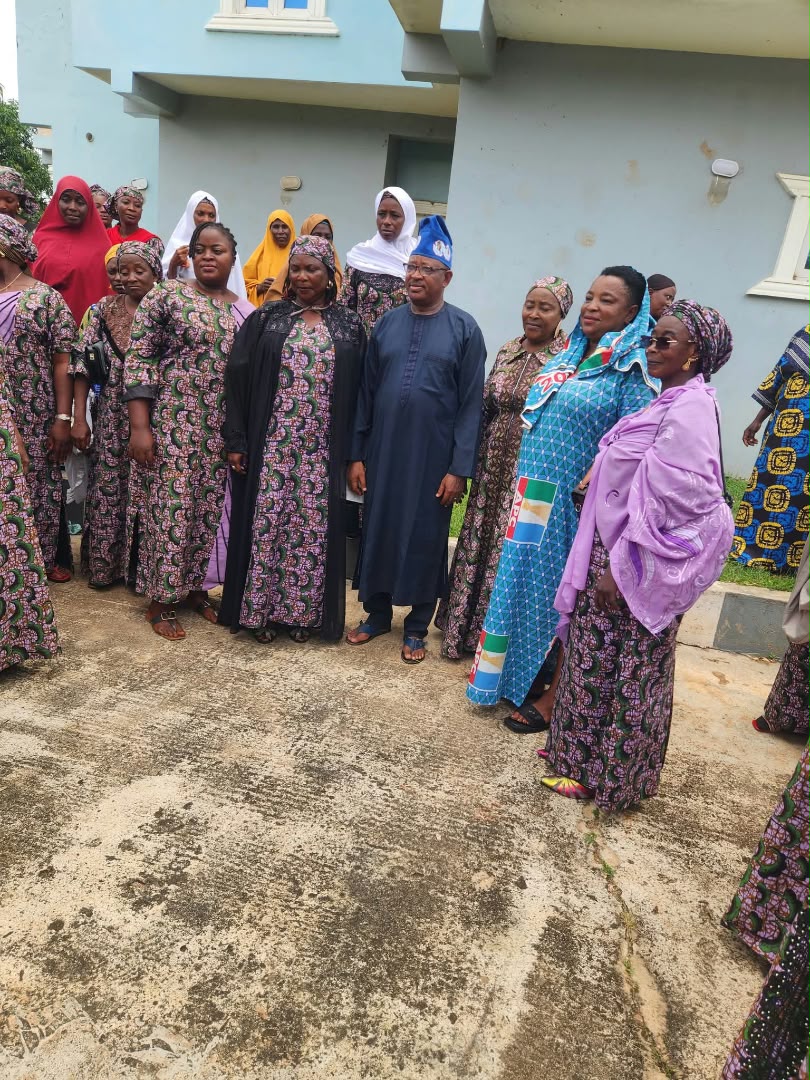
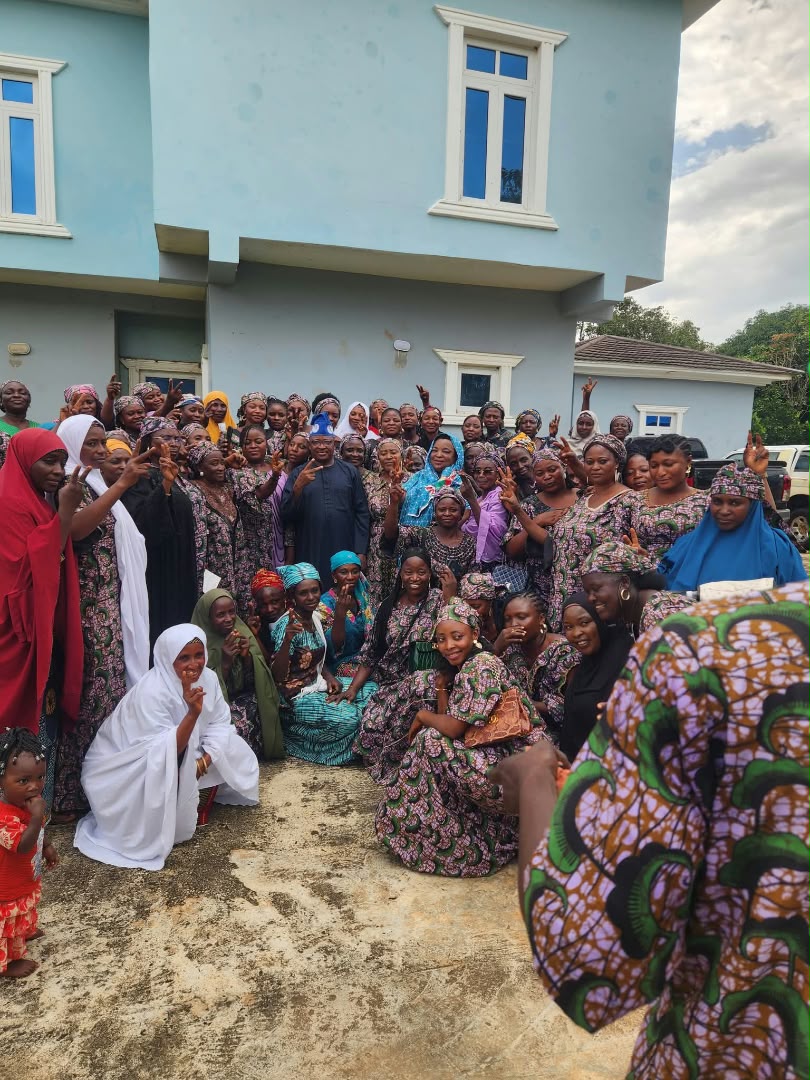
Durunguwa recently shared photographs on his official Facebook page showing a large gathering of women at his residence in Ladduga, Agunu Ward, Kachia Local Government Area.
In the accompanying post, he said he received a “very large crowd” of women involved in politics and that they expressed readiness to mobilise women, their husbands and eligible members of their families in support of President Bola Ahmed Tinubu, Kaduna State Governor Uba Sani and APC candidates.
The gathering has since become a subject of discussion among political observers, particularly concerning the role of grassroots networks and women’s participation in Kaduna’s political process.
Speaking with Privilege Magazine Editorials, Hon. Victor Mathew Bobai, Senior Special Assistant on Public Affairs to Governor Uba Sani, described Durunguwa as a political figure whose career and longstanding engagement in Southern Kaduna provide a basis for examining the region’s evolving political conversation.
Bobai said the significance of the Kachia gathering goes beyond the immediate political message.
> “Politics is an investment, and our people must come together to fight for what belongs to them,” he said.
According to Bobai, Southern Kaduna’s political future requires sustained engagement across religious, ethnic and social lines, with greater emphasis on organisation, participation and constructive engagement with government.
Durunguwa’s Public-Service Background
Dr. Durunguwa has held several public-service and private-sector positions over the years.
A 2025 profile published by Blueprint reported that he worked with the Kaduna State Government, including as Executive Secretary of the State Emergency Management Agency (SEMA), and later served for many years with the Public Complaints Commission before joining politics. The publication also documented his involvement in ICT and agriculture.
His appointment as a Federal Commissioner representing Kaduna State at the National Population Commission was confirmed by the Senate in October 2018. The Senate proceedings record specifically shows the confirmation of Dr. Abdulmalik Mohammed Durunnguwa (Kaduna) as NPC Commissioner.
His public career has consequently included experience in public administration, population management, emergency management, technology and private enterprise.
Bobai said this combination of experience was part of what informed his description of Durunguwa as a “refined political leader.”
“He is a political figure whose experience cuts across public administration, technology, population planning, politics and community development,” Bobai said.
A Longstanding Political Engagement
Bobai also traced Durunguwa’s political involvement in Southern Kaduna to the period surrounding the emergence and expansion of the All Progressives Congress (APC).
He identified Durunguwa, alongside other political figures of that period, as among those he regarded as early contributors to the development of the APC in Southern Kaduna.
Bobai said the broader lesson from Durunguwa’s political journey was that political influence is not created overnight.
“It requires organisation, sacrifice, relationships, patience and sustained engagement,” he said.
He argued that the experience was particularly relevant to Southern Kaduna because political discussions in the region have frequently involved questions of religious identity, ethnicity, representation and development.
From Political Competition to Cooperation
Durunguwa was also among the aspirants involved in the 2022 APC governorship contest in Kaduna State. Public reports confirm that Uba Sani won the APC governorship primary with 1,149 votes, ahead of Bashir Abubakar and Sani Sha’aban.
Durunguwa subsequently remained active in Kaduna’s political environment.
In 2025, Blueprint reported him speaking as an APC stakeholder in Kachia, where he linked the state government’s rural-development initiatives with unity and inclusion.
Bobai said Durunguwa’s subsequent political engagement illustrates the possibility of moving from individual political contests to broader political cooperation.
He also described Durunguwa as one of the early voices involved in the campaign for Uba Sani’s second-term bid, although that characterisation remains Bobai’s assessment.
The Kachia Women’s Gathering
The photographs shared by Durunguwa show a substantial gathering of women at his residence.
In his own account, he said the women were prepared to mobilise their families in support of Tinubu, Uba Sani and APC candidates.
Bobai said the gathering illustrates the continuing importance of grassroots political organisation.
> “It should mean changing the way Southern Kaduna thinks about political participation,” he said.
He argued that political engagement should extend beyond social media and election-day activity to include community consultations, organisation, negotiation, advocacy and sustained interaction with political institutions.
At the same time, the gathering itself should not be interpreted as evidence of how those present will ultimately vote. Photographs and statements from a political meeting establish participation in the event and the stated intentions of organisers and participants, but they do not determine future electoral behaviour.
‘Southern Kaduna Can Be United’
One of the central themes in Bobai’s analysis was the question of unity within Southern Kaduna.
He said the region comprises Muslims and Christians, different ethnic communities, women, youths, professionals, farmers, entrepreneurs and people associated with different political parties and interests.
According to him, those differences do not necessarily prevent communities from identifying common developmental and political interests.
> “It should be possible for a Southern Kaduna Muslim and a Southern Kaduna Christian to sit at the same political table, discuss their interests, disagree respectfully and still work together for the development of their communities,” Bobai said.
He linked that idea to the emerging Make That Change (MTC 2031) conversation associated with Durunguwa and his supporters.
A Broader Development Conversation
Bobai said Southern Kaduna’s political conversation should increasingly include issues beyond insecurity, religious differences and ethnic tensions.
He identified infrastructure, agriculture, education, technology, employment, healthcare, youth participation, women’s participation, political inclusion and economic opportunity as areas that should remain part of the region’s development discussion.
Durunguwa has also previously spoken publicly about unity and development in Southern Kaduna, while reports have documented his participation in political and development-related discussions in the region.
MTC 2031 and the Emerging Political Conversation
The Make That Change — MTC 2031 concept is being presented by Durunguwa’s supporters as a framework for discussing political participation, organisation, inclusion and the future of Southern Kaduna.
Its eventual significance will depend on its organisation, policy proposals, public engagement and the choices citizens make in future elections.
For Bobai, however, the immediate importance is the conversation itself.
He said Southern Kaduna stakeholders should begin asking fundamental questions about the type of representation they want, the economic interests they want political leaders to pursue, how women and young people can participate more effectively, and how the region can develop stronger relationships with state and federal institutions.
“These are questions that deserve answers beyond campaign seasons,” he said.
‘We Must Begin Asking for Our Share’
Bobai said Southern Kaduna should think strategically about its place within the political architecture of Kaduna State and Nigeria.
> “If we don’t start asking for it now, it might be difficult to ask for it tomorrow,” he said.
He explained that the objective, in his view, should be to develop a political constituency capable of articulating its interests through organisation, participation and constructive engagement.
He described MTC 2031 as a conversation that could encourage stakeholders to examine how Southern Kaduna can build bridges across religious and ethnic differences while pursuing common developmental interests.
A Conversation That Is Only Beginning
The Kachia gathering is therefore one episode in a much wider political conversation.
For Durunguwa’s supporters, it demonstrates the importance of grassroots engagement and women’s participation. For political observers, it offers another indication of the continuing efforts by different actors to organise political constituencies in Southern Kaduna ahead of future electoral cycles.
Whether Make That Change (MTC 2031) eventually develops into a broader political organisation remains an open question.
What is clear is that Dr. Abdulmalik Mohammad Durunguwa’s latest engagement has placed his political activities and the question of Southern Kaduna’s future representation back into public discussion.
For Bobai, the essential questions are about organisation, inclusion, participation, development and representation.
And as the 2027 political cycle approaches and attention gradually turns towards the longer-term 2031 conversation, those questions are likely to remain part of the political discourse in Southern Kaduna.
— Abraham Adeyemi
Privilege Magazine Editorials

COMMENTS